
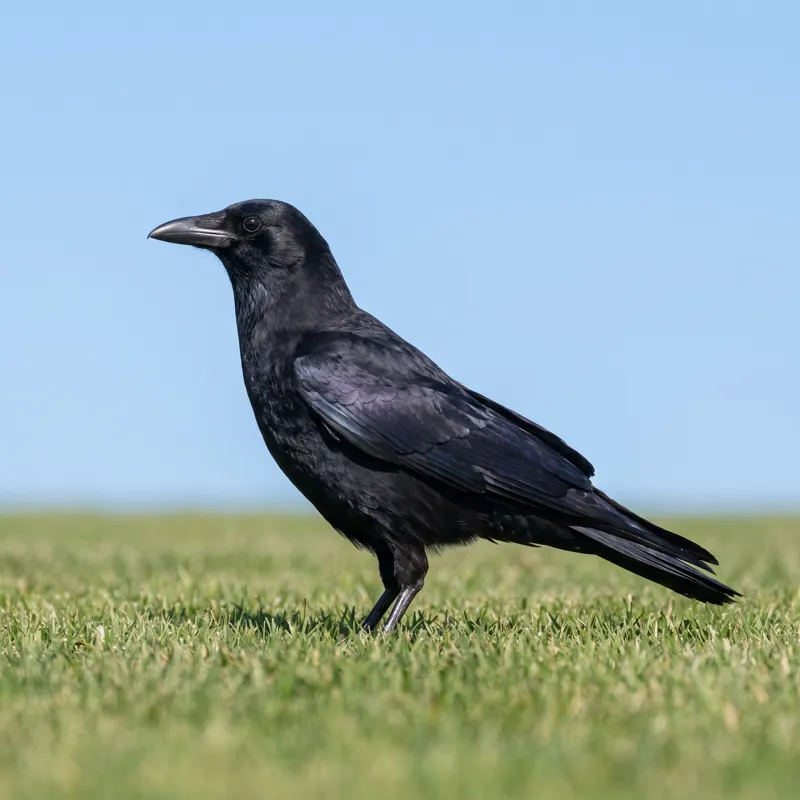
Crow
- SizeAbout pigeon to small hawk size
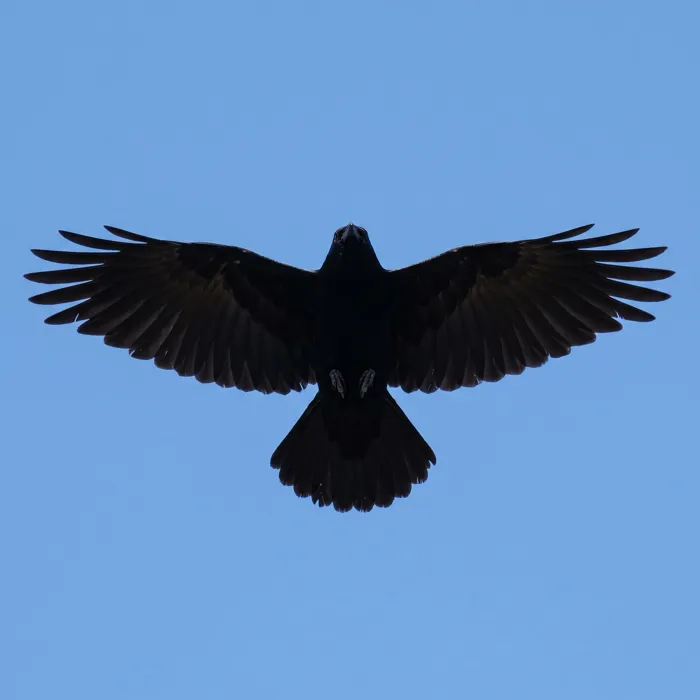
- TailFan shaped in flight, squared off
- VoiceA clear "caw, caw"
- BillSlimmer and straighter
- SocialFamily groups, big winter roosts
Same spot, same time, a small handful of peanuts. Crow Friends walks you through the patient way to win over the smartest birds in your neighborhood, and remembers every step: every visit, every named crow, every small sign of trust.
Not in the stores yet. Join the waitlist and we will email you the day it is out. For iPhone and Android. Your crows stay on your phone.
 Crow Friends
Streak
Trust ladder
Achievements
CrackerCookieBiscuitMuffin
 Cracker + 4 crowsNew step reachedThey took food within 20 feet
How long crows in a University of Washington study kept scolding a mask they had learned to treat as dangerous.
Source: University of WashingtonCrows recognize individual people, and a crow that never met you can learn your face from a flockmate.
Source: Marzluff et al.A crow family often includes last year's young, who stay to help raise this year's chicks.
Source: Cornell Lab of OrnithologyCrows trust what is predictable. Nothing here is a trick. It is a routine the crows can count on, kept up long enough for them to decide you are safe.
A fence rail, a stump, a patch of lawn the crows can see from above with a clear way out. Use the same spot every time.
Crows learn schedules faster than faces. Feed at the same time each day, and morning is easiest to keep.
Unsalted peanuts in the shell are the classic. Put out only what they finish, so nothing sits and spoils.
Set it down and walk away. Do not stare, chase or reach. Let them choose how close to come.
Use the same word, whistle or sound every time. Over weeks it becomes how they know it is you.
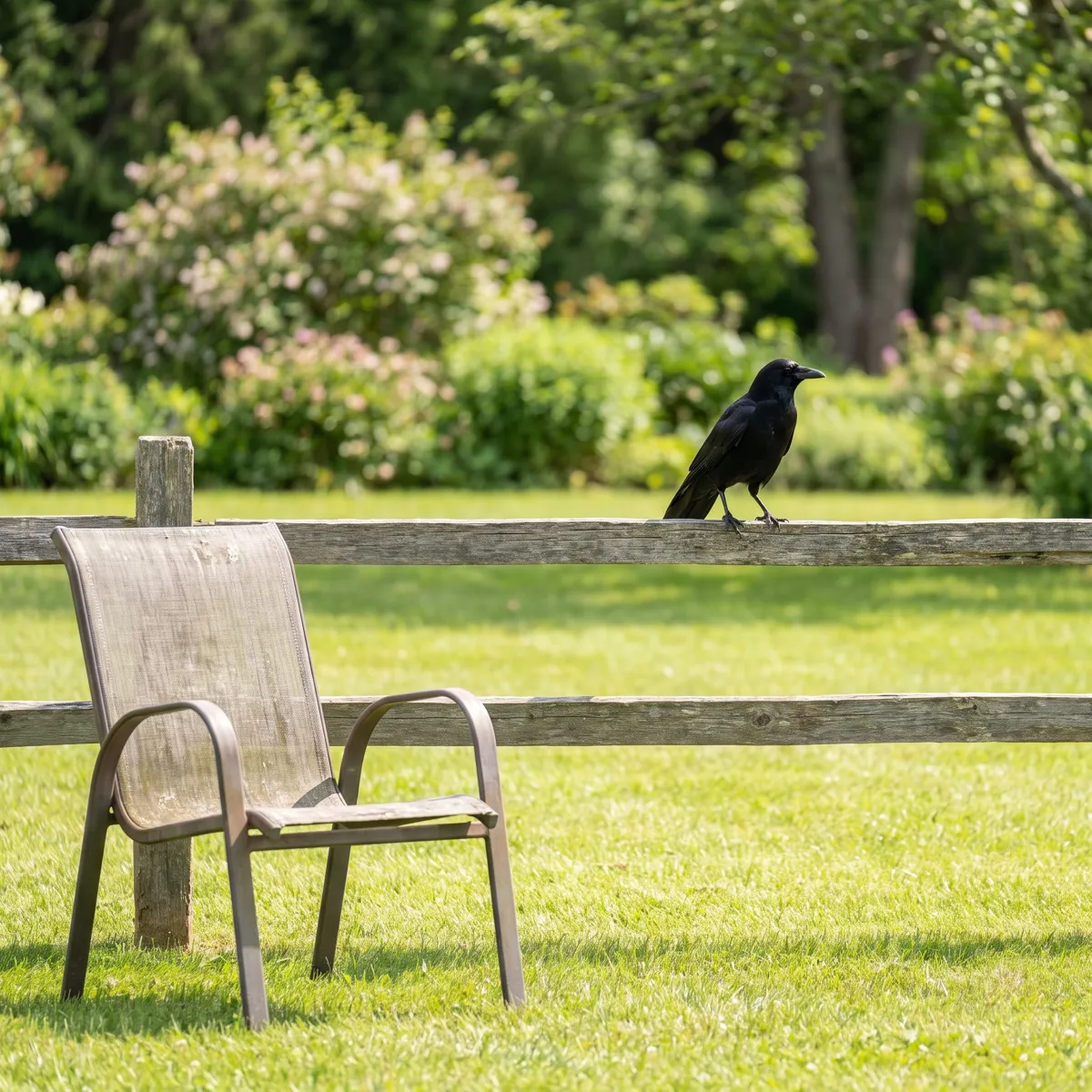
Honest answer: weeks for the first steps, months for the good ones, and every street is different. Here are the stages most crow friendships pass through, with real ranges instead of promises.
The app has all 13 steps, and lets you log each one the day it happens.
Everything you need to start, keep going, and look back. No feed to scroll, no strangers, no ads. Just you and your crows.
Log a feeding in two taps and watch your streak grow. A gentle alarm reminds you when the crows are expecting you. Going away? Vacation mode keeps your streak safe.
When one bird starts to stand out, give it a name. Add photos, a beak nick, a habit, and its favorite food.

Thirteen honest stages, from "they noticed me" to "they brought their young." Log each one the day it happens.
If a pebble or a button ever shows up at your spot, it gets its own page, with a photo and the date.
No promises. Many feeders never get one.Safe and unsafe foods, what crow behaviors and calls mean, which species is in your yard, and what changes each month.
Your crows, notes and photos live on your phone. There is no messaging, no public profile and nothing to follow. Export a backup any time.
What is generally allowed, what is not, and what depends on your town, for the United States and Canada. Feed responsibly and keep the neighbors happy.


The app's food guide covers 36 foods with a safety rating for each, and remembers which ones your crows like best. Full guides: what crows eat and what not to feed crows.
They are cousins, and from a distance they look alike. Size helps a little. The tail, the voice and the bill tell you for sure.
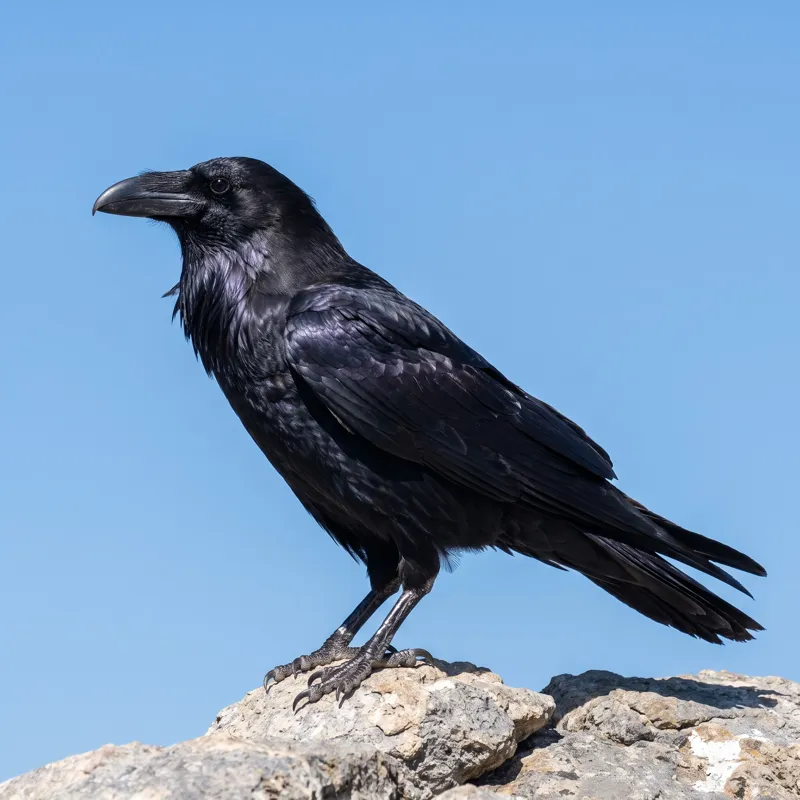
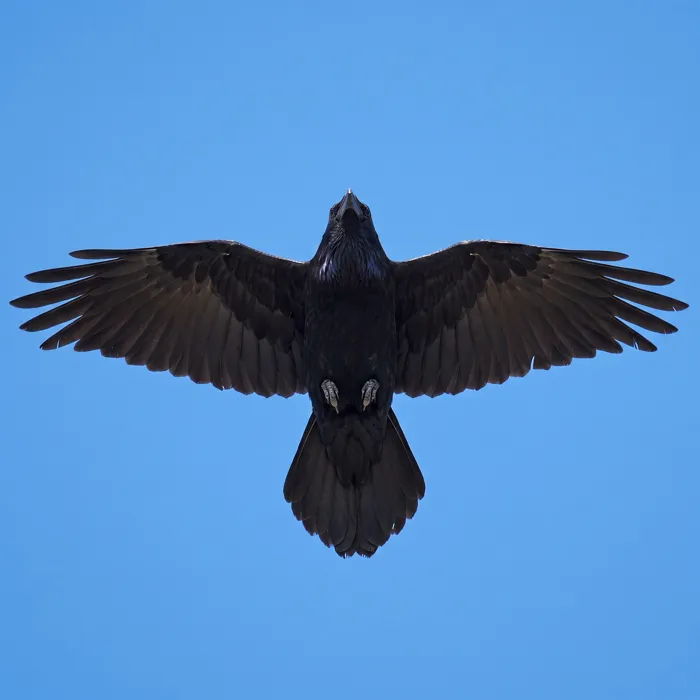
Quick test: watch it fly overhead. A fan-shaped tail means crow. A wedge, like a diamond tip, means raven. Along the southeast coast, a crow with a nasal "uh-uh" is probably a fish crow. Read the full crow vs raven guide.
Crows behave differently through the year. Knowing why saves a lot of worry, like when they vanish in spring or get bold in summer.
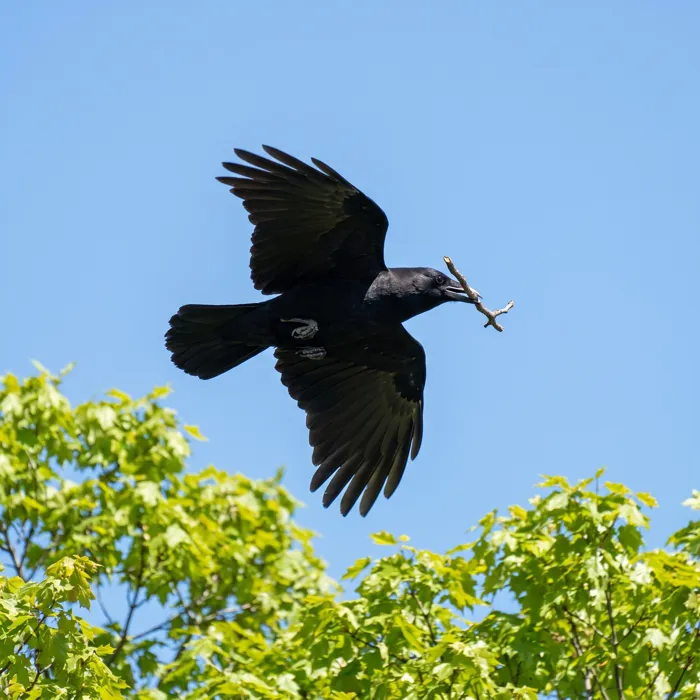
Pairs build nests and get secretive. Visits can drop off. That is normal.
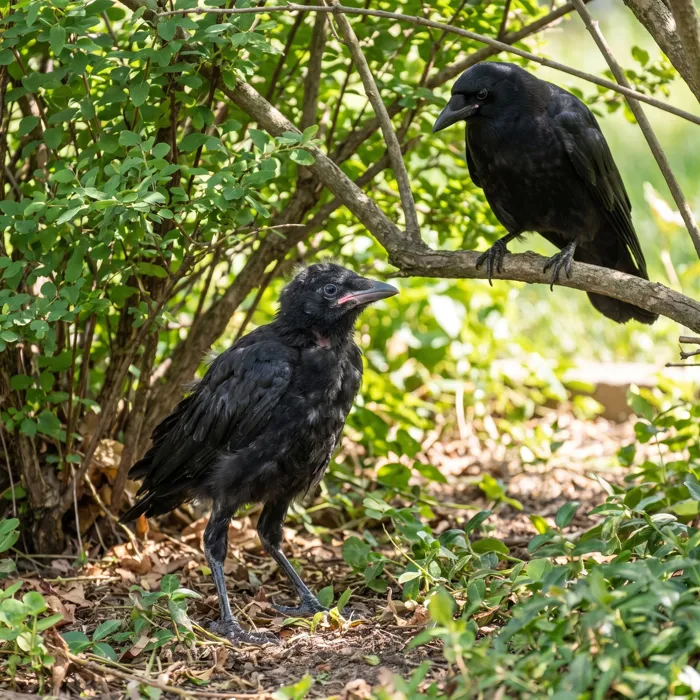
Young crows leave the nest and parents get protective. Some families bring the kids to your spot.
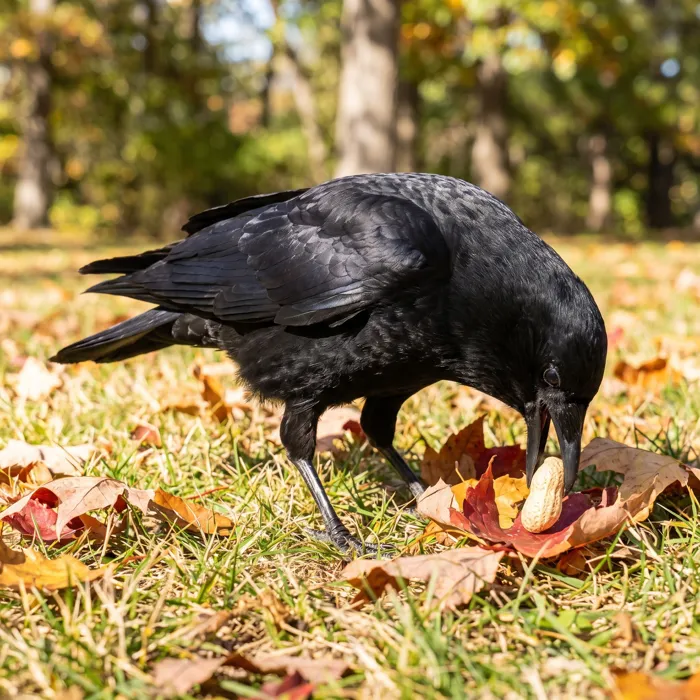
Crows hide food for later. Peanuts disappearing fast usually means they are being saved.
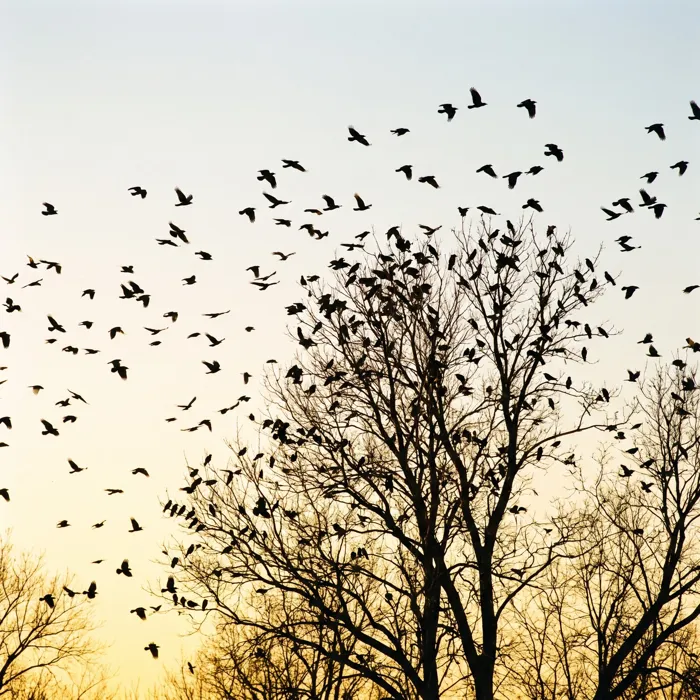
At dusk, crows fly off to sleep in huge communal roosts, sometimes thousands strong.
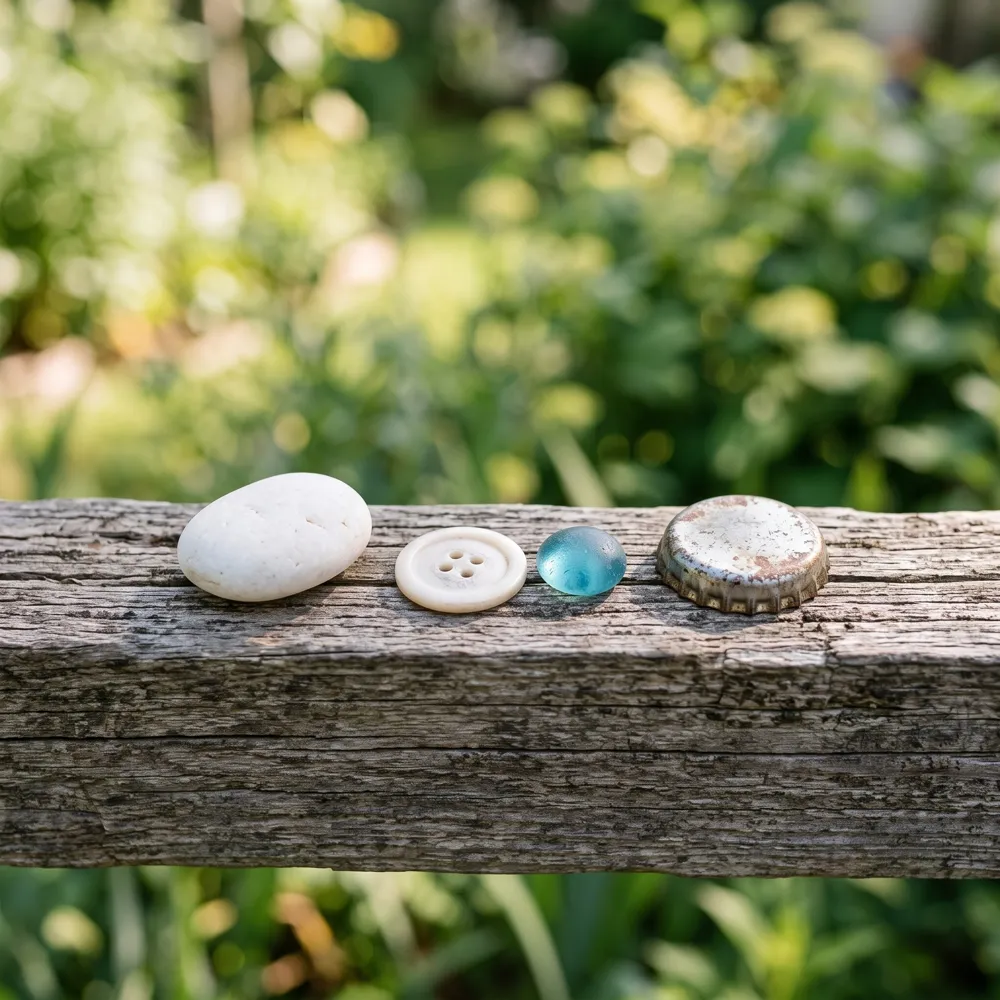
You have probably seen the viral crow gift stories. They are real, and they are also rare. Crow Friends will never promise you a gift, a hand-feeding or a best friend. It will help you do right by the birds and enjoy every small step.
Pick one spot and one time of day. Put out a small handful of unsalted peanuts in the shell, then step back and let the crows eat. Repeat it every day, stay calm and predictable, and add a word or whistle you always use. Trust builds in stages over weeks and months.
In the wild, crows eat almost anything: insects, worms, seeds, fruit, eggs, small animals and scraps.
To feed them, unsalted peanuts in the shell are the classic. Plain cooked egg, plain dry dog or cat kibble, unseasoned meat scraps, suet, berries and corn are also good. Keep portions small so nothing is left to spoil.
Ravens are larger, about hawk sized, with a wedge-shaped tail, a heavier bill and shaggy throat feathers. They croak and often travel in pairs. Crows are smaller, have a fan-shaped tail, caw, and usually move in family groups.
Avoid chocolate, avocado, onion and garlic, caffeine and alcohol, the sweetener xylitol, moldy food, and anything salty, seasoned or fried, including salted peanuts.
Bread is not toxic, but it fills crows up without much nutrition, so keep it rare.
Crows recognize individual human faces, so they do learn who you are. Signs that they trust you: they wait nearby at feeding time, they show up when you step outside, they stay instead of flying off when you come out, and over time they come a little closer.
Some follow people on walks or call when they see them. Every crow is different, and the app's trust ladder lets you log each step as it happens.
Crows often notice a regular food spot within days. Taking food within about 20 feet of you commonly takes 2 to 8 weeks of steady feeding, and some crows take months. Closer trust can take months to years. Every street is different.
Yes, crows remember faces for years. The famous crow grudges are against people who threatened them, not people who stopped feeding them.
If you stop, they will check your spot for a while and then go back to their other food sources. If you are going away, ask someone to keep the routine, or pick it back up when you return.
Crows have many calls. Loud, harsh, repeated caws often mean an alarm, or a group mobbing a hawk, owl or cat. Softer calls pass between family members. In summer, a nasal, repeated begging call usually comes from young crows asking their parents for food.
Science is still learning what many crow calls mean. The app explains 11 common calls and how sure researchers are about each one.
Feeding crows is allowed in most places, but local rules vary. Some cities, parks and homeowner associations limit feeding wildlife.
In the United States crows are protected under the Migratory Bird Treaty Act, so it is illegal to harm them, keep them, or keep their feathers or nests. Check your city and province or state rules.
Some people do find small objects left at their feeding spot, like pebbles, buttons or bits of glass. Nobody knows for sure what the crows mean by it, and many long-time feeders never get one. Treat a gift as a bonus, not a goal.
A fully feathered young crow on the ground is usually a fledgling. It spends several days on the ground before it can fly well, and its parents are nearby feeding it. Leave it be and keep pets away.
If it is injured or in danger, call a licensed wildlife rehabilitator.
In spring and early summer, crow parents defend their young, especially fledglings learning to fly. It usually lasts a few weeks. Take a different route for a while, wear a hat or carry an umbrella, and do not approach the young bird.
In the United States, no. Crows are protected by federal law, and keeping one requires a special permit that is only given for things like wildlife rehabilitation and education. Other countries have their own rules.
Crows are wild, social birds that live in families. The good news is you do not need to keep one to have a real relationship with one. That is what befriending is.
Most crows stay in the same area all year, though some northern crows move south for the winter. What changes is their routine.
In fall and winter, crows fly off at dusk to sleep in big communal roosts, sometimes miles away. In spring they get quiet and secretive while they nest. If your crows disappear for a while, keep your routine steady. They often come back.
Done responsibly, it can be a lovely relationship. The downsides are real but manageable: crows can get loud while they wait, more food brings more crows, leftovers can attract rats, and not every neighbor will love it.
Feed small amounts at a reasonable hour, keep the spot clean, and you avoid most of the problems.
Put food out when your crows arrive rather than leaving it sitting. Crows learn your schedule fast and will often be waiting.
Peanuts in the shell help, since crows carry them off to eat or hide. Small amounts, a spot crows can reach quickly, and picking up what is left all leave less for other visitors.
It can if there is food left over. Put out only what the crows finish in a few minutes, pick up leftovers, and never feed after dark.
If your crows get noisy early in the morning, feed at a time that suits your street. Keeping it small and clean is the best way to keep neighbors on your side.
Crow Friends is not in the App Store or Google Play yet. Join the waitlist and we will send you one email the day it is out. Until then, start your routine, and the app will be ready to remember it.
